


Marine Collagen vs Bovine Collagen: Which One Should You Choose?
Softer skin, stronger hair, more comfortable joints: collagen has become a valued ally in many daily routines. But standing in front of the shelves, one question keeps coming up. Should you choose marine collagen or bovine collagen?
Both are excellent collagen sources, and the right choice comes down to your own goal for skin, hair, nails or joints. Here is what actually separates them, made simple.
Collagen, the Protein That Declines With Age
Collagen is the most abundant protein in our body, making up close to a third of our total protein. This protein is the structure that holds everything in place: the skin, the bones, the tendons, the cartilage. The word comes from the Greek kolla, which means glue.
The catch is that our natural production starts to slow early. By our mid-twenties, collagen synthesis begins a gradual decline, often without us noticing. Skin loses some firmness, joints get stiffer, and overall vitality fades a little at a time.
In women, hormonal changes add to this. Around menopause, the drop in estrogen speeds up skin sagging, which is why it is worth caring for your collagen before and during that period. For the bigger picture, our guide to everything you need to know about marine collagen is a good place to start.
The Types of Collagen (I, II and III) and Their Roles
Not all collagens are the same. Twenty-eight types have been identified, but three show up in almost every conversation about collagen supplements:
- Type I collagen: the most widespread, found in skin, bones and tendons. This is the one tied to firmness and elasticity.
- Type II collagen: concentrated in cartilage, and the type most studied for joint comfort.
- Type III collagen: found in skin and connective tissue, usually working alongside Type I.
This distinction matters, because each source of collagen is richer in some types than in others.
The Difference Between Marine and Bovine Collagen
The difference between marine and bovine collagen starts with where they come from. Different animals mean different composition, and that shapes how your body absorbs what you take. Both go through extraction and enzymatic hydrolysis, which breaks the protein into small collagen peptides that your body digests and absorbs more easily.
Here is how the two compare at a glance.
|
Marine collagen |
Bovine collagen |
|
|
Source |
Fish skin and scales |
Cow hide and bones |
|
Main types |
Primarily Type I |
Type I and Type III |
|
Peptide size |
Naturally smaller |
Naturally larger |
|
Absorption |
Very high bioavailability |
High, slightly below marine |
|
Best for |
Skin, hair, nails |
Joints, bones, gut |
|
Taste |
Neutral when well processed |
Neutral, mild |
|
Formats |
Powder, sachets, capsules |
Powder, capsules, liquid collagen |
|
Cost |
Generally higher |
More affordable |
One note on formats: liquid collagen is convenient, but many liquid products carry a lot of added sugar to make them palatable. A neutral powder gives you the same peptides without it.
Marine Collagen, Made From Fish Skin and Scales
Marine collagen, sometimes labelled fish collagen, is sourced from fish skin and scales, parts that were long treated as waste. That is part of its sustainability story: it uses by-products the seafood industry would otherwise discard. It is naturally rich in Type I collagen, the kind that supports skin, hair and nails.
Its particularity is a fine structure. Marine collagen peptides are small, which supports good absorption. Most marine collagen benefits reported in research trace back to those two facts: the type, and the size. It is also a good fit if you follow a pescatarian diet or simply avoid beef.
At MCS, PURE marine collagen is sourced from wild-caught cod. That sourcing decision was deliberate, and you can read more about why we source our cod locally if the story behind a product matters to you as much as the label.
Bovine Collagen, Made From Cow Hide and Bones
Bovine collagen is derived from cow hide and bones, most often as a by-product of cattle farming. It contains mainly Type I and Type III collagen, with a generous amino acid profile: glycine, proline, hydroxyproline and arginine, the amino acids your body draws on to repair and rebuild connective tissue.
That broader profile is why bovine collagen is often described as a versatile all-rounder. It appears in products aimed at joints, ligaments, muscle recovery and the gut lining, and it is generally more affordable and easier to find.
Quality varies with sourcing, and grass-fed cattle are the benchmark here, the same way wild-caught cod is for marine collagen. On sustainability, bovine sits behind marine: cattle farming carries a heavier environmental footprint than using fish by-products. Each collagen source has real strengths, and the point is knowing which one matches what you are looking for.
Hydrolyzed Collagen: Bioavailability, Peptide Size and Absorption
You will meet the word bioavailability often. It simply means how well your body can absorb and use collagen peptides. The smaller the peptides, the faster and more efficient that absorption tends to be.
Hydrolyzed marine collagen generally carries a lower molecular weight, which is why it is described as highly absorbable. Some research suggests marine sources absorb up to 1.5 times better than bovine ones. Hydrolyzed collagen of either origin digests far more easily than native collagen, and a finely hydrolyzed bovine collagen still absorbs very well.
Absorption is not the whole story, though. Once absorbed, peptides travel to tissues like the dermis, the middle layer of skin where Type I collagen provides the framework. Vitamin C takes part in your body's natural collagen synthesis and acts as an antioxidant, which makes it a quiet but useful partner to whichever source you choose.
Which Collagen Is Better for Your Goal?
There is no universal winner in the marine collagen vs bovine collagen debate. The best collagen supplement is the one that answers your need right now, and once your goal is clear the choice gets much simpler.
So is marine collagen better than bovine collagen? For skin, hair and nails, usually yes: Type I content and smaller peptides give marine collagen the edge on absorption. Compare bovine collagen vs marine for joints, bones and gut health, though, and it tilts the other way, because Type III and the broader amino acid profile cover more ground. Both are hydrolyzed collagen peptides, and both need consistency to do anything at all.
Best Collagen for Skin, Hair and Nails: Why Marine Leads
If your priority is skin, hair and nails, marine collagen is usually the more targeted option. Rich in Type I and well absorbed, it helps support skin elasticity, hydration and firmness, along with the appearance of fine lines and wrinkles. PURE is also a source of lysine, one of the amino acids the body cannot produce on its own.
Many people in the community pair their collagen with biotin, which contributes to healthy hair and nails. Others look for hyaluronic acid alongside it for hydration. That pairing is the whole idea behind the Beauty Trio: collagen, vitamin C and biotin in one simple routine.
Collagen results build slowly. Studies tend to report changes over several weeks of daily use, not days. Glowing skin comes from a habit, not from a single serving.
Best Collagen for Joints, Bones and Gut Health: Where Bovine Helps
For joints, Type II collagen is the most documented for supporting comfort and mobility, including research in people living with osteoarthritis. Bovine sources also bring Type III, which plays a role in connective tissue, bone health and the gut lining. If stiffness or joint pain is your main concern, bovine collagen deserves a serious look.
That said, marine collagen offers real support here too. Our PURE marine collagen helps manage joint pain, and our collagen for joints collection brings together the products made for an active lifestyle.
If joints and skin matter to you equally, you do not have to pick a side. More on combining the two further down.
Allergies, Traceability and Sourcing: How to Choose a Quality Collagen
A few practical points deserve your attention. Marine collagen is not suitable if you have a fish or shellfish allergy. Bovine collagen may not suit certain dietary restrictions or personal convictions. Neither is a small detail.
Beyond the source, traceability is what separates a good collagen supplement from a forgettable one. Here is what to look for on any label:
- Clear origin: wild-caught, grass-fed, or a named fishery or region
- Hydrolyzed peptides rather than native collagen
- Third-party testing, and a facility certified under Good Manufacturing Practices
- A short ingredient list, with no unnecessary fillers or added sugar
Third-party testing matters here for a specific reason: poorly sourced marine collagen can carry traces of heavy metals, and independent testing is what rules that out.
PURE marine collagen is made in a GMP-certified facility and follows Health Canada's guidance on duration of use. If you are pregnant, breastfeeding, taking medication or living with a particular condition, speak with a health professional before starting.
Discover PURE Marine Collagen, Wild-Caught Cod Made in Québec
A pure marine collagen from wild-caught cod, with nothing unnecessary added. Simple to fit into your routine, and made in Québec.
Adding Marine Collagen Powder to Your Daily Routine, One Habit at a Time
The finest collagen in the world does nothing from inside a cupboard. Consistency is the whole game, and a daily collagen habit is far easier to keep when it is pleasant.
Our collagen powder has a fine texture that dissolves and mixes without clumps. It is unflavoured and odourless, so this collagen powder disappears into whatever you are already drinking.
Three simple ways to adopt it:
- In your morning coffee or tea, anchored to a habit you already have.
- In a smoothie or juice, for something lighter and refreshing.
- In a warm version, like our collagen chai latte.
And for busy days, the on-the-go collagen sachets travel with you.
Consistency and Dosage: 10 g of Collagen Peptides per Day
The benefits of collagen build over time, not overnight. At MCS, the recommended dose is 10 g of collagen peptides per day, which sits comfortably within the range used in most published studies.
Taking your collagen at the same time each day is what turns a purchase into a routine. Most people notice first effects somewhere between four and twelve weeks, but it is consistency across several months that really makes the difference.
The small gestures repeated every day are often the ones that make the biggest difference.
Find Your Collagen Routine in 60 Seconds
A few questions are all it takes to find the routine that suits you. No guesswork, no long form.
Your Questions About Marine and Bovine Collagen
The questions about marine and bovine collagen we hear most often from the community, answered simply.
Can You Take Marine and Bovine Collagen Together?
Yes, and some people do exactly that. Pairing a Type I marine collagen for skin with a Type II or III bovine collagen for joints gives you a broader amino acid profile and a wider range of collagen types. Multi-collagen supplements exist for this reason. It is not essential, though: targeting your main goal and choosing your collagen accordingly is usually simpler and just as effective.
At What Age Should You Start Taking Collagen?
There is no perfect age, but production begins slowing from your mid-twenties. Many people start in their thirties as a preventive habit, and it becomes especially relevant as menopause approaches. It is never too late to start taking collagen.
Does Marine Collagen Taste Like Fish?
No. Modern processing removes the fish oils that carry odour and flavour, so a quality marine collagen is neutral in both. Our PURE marine collagen dissolves without leaving any taste, which is what makes this marine collagen easy to add to coffee, tea or a smoothie.
How Long Does Collagen Take to Work?
Most people report first effects after four to twelve weeks, with skin elasticity and hydration often improving before joint comfort. Collagen benefits settle in with consistency over several months rather than in a short burst. A regular collagen routine, alongside healthy habits, is what makes the difference.
Marine Collagen vs Bovine Collagen: Making the Right Choice for Your Vitality
In the end, choosing between marine collagen and bovine collagen means listening to your own goal. Both marine collagen and bovine collagen are excellent sources of collagen peptides, and neither is a wrong answer.
For skin, hair and nails, marine collagen leads on Type I content and absorption. For targeted joint, bone and gut support, bovine collagen has the broader amino acid profile. In both cases, quality and consistency matter more than the debate itself.
Marie-Claude Savard's Recommendation for Your Collagen Routine
At MCS, our heart leans toward PURE marine collagen: pure, highly absorbable, made in Québec from wild-caught cod, and built for taking care of yourself from the inside.
It is the collagen Marie-Claude uses herself and recommends to her community, chosen against her own criteria long before it became a product. To understand where that comes from, read Marie-Claude Savard's story.
Start Your Marine Collagen Routine with PURE
A simple gesture today to support your vitality and your longevity. Find the format that fits your routine, and take care of yourself one habit at a time.

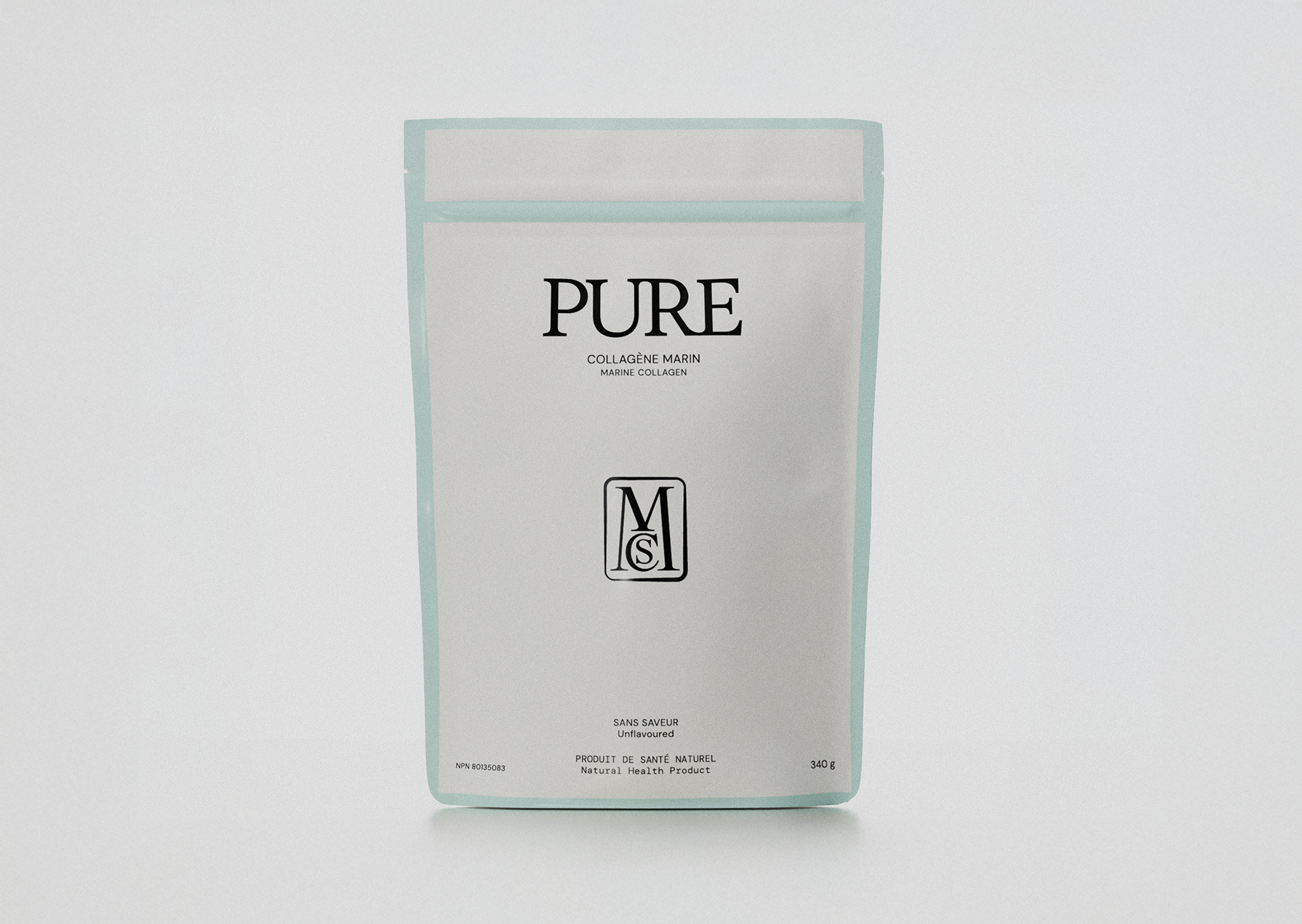
Discover our marine collagen
PURE Marine Collagen is a natural protein essential for healthy skin, joints, and muscles. Derived from fish skin and made in Quebec, it supports vitality and helps maintain the body's elasticity and firmness every day.
Blog
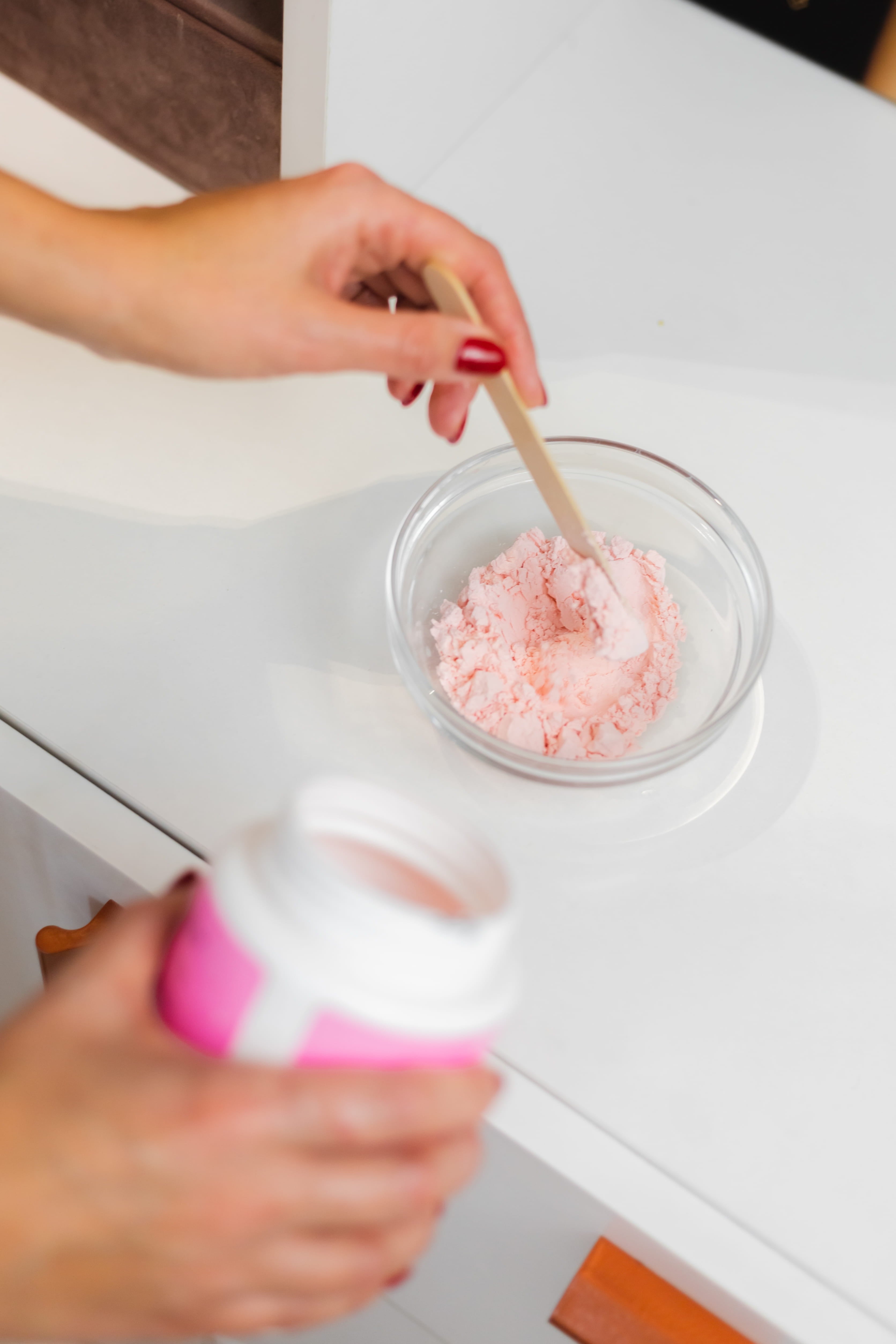
Softer skin, stronger hair, more comfortable joints: collagen has become a valued ally in many daily routines. But standing in front of the shelves, one question keeps coming up. Should you choose ...

Collagen, an essential protein in the body, supports skin, joints, and natural radiance. As its production declines with age, marine collagen, which is better absorbed, becomes a recognized ally f...

Longtemps associé aux entraînements intensifs et à la performance, le collagène ne se limite pourtant pas au sport de compétition. Il s’impose aujourd’hui comme un allié clé dans les pratiques plus...